Parking Made Easy > Blog > Long Term Car Storage Brisbane Your Ultimate Guide
Long Term Car Storage Brisbane Your Ultimate Guide
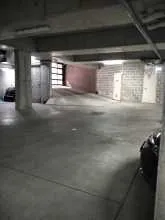
Heading off on a long trip, working a FIFO roster, or maybe you just need to tuck away that classic car for a while? Finding a secure and convenient spot for long term car storage in Brisbane is the answer. It’s all about giving you peace of mind, knowing your vehicle is protected from theft, the unpredictable Queensland weather, and vandalism while you’re away.
Why Secure Car Storage in Brisbane Matters
Finding a park for a few hours is one thing, but securing your vehicle for weeks or months on end is a completely different ball game. For many Brisbanites, reliable long term car storage isn't a luxury—it's a necessity. The city's bustling lifestyle and often wild weather throw up some unique challenges for car owners.
Whether you're a FIFO worker needing a home base for your car between swings, a resident heading off on an extended overseas adventure, or a collector wanting to shield a classic from the harsh Queensland sun, the reasons are incredibly varied. And let's not forget those sudden, intense storms that can cause some serious damage.
The Real Risks of Leaving Your Car Unattended
Let's be honest, leaving a car on the street or even in an open driveway for an extended period is a bit of a gamble. It becomes a magnet for thieves, vandals, and the relentless Aussie climate.
Brisbane’s weather is particularly unforgiving. Intense UV rays can fade your paint job in no time, while the high humidity is perfect for encouraging mould growth inside your car. It’s a recipe for disaster.
This is exactly where professional storage solutions step in. They’re designed to knock these risks on the head by providing a controlled, monitored environment. This isn’t just about parking your car; it's about protecting your asset.
Think of long term car storage in Brisbane as an investment in your peace of mind. It turns your vehicle from a constant worry into a well-preserved asset, ready and waiting for your return.
Protecting Your Investment with Confidence
A proper secure storage facility offers way more than just a roof over your car's head. They provide layers of protection that are almost impossible to replicate at home. At its core, any good facility understands the principles of effective risk security management to properly safeguard valuable assets like your vehicle.
So, what are the real benefits?
- Theft Deterrence: With features like gated access, 24/7 CCTV surveillance, and often on-site staff, these places are a massive turn-off for thieves.
- Vandalism Prevention: Simply put, out of sight, out of mind. Keeping your car hidden from public view dramatically cuts the risk of random damage.
- Environmental Protection: Indoor storage is your car’s best friend, shielding it from sun, hail, and storm damage. This helps preserve everything from the paint and interior to the crucial mechanical parts.
The need for car storage in Brisbane is definitely on the rise, driven by these lifestyle factors. With more people travelling overseas and a growing international student population, the demand for secure, long-term options is clear.
The good news? Finding a great spot is easier than you might think. Platforms like Parking Made Easy have changed the game, connecting car owners directly with vetted storage spaces. You can browse everything from private garages to secure commercial lots, making it simple to find a solution that protects your investment without all the usual running around.
Comparing Your Brisbane Car Storage Options
When you start looking for long-term car storage in Brisbane, you'll quickly realise not all spots are created equal. The right choice really hinges on your car, your budget, and what helps you sleep at night. A FIFO worker just needs a safe home for their daily driver, which is a world away from what a collector needs for a classic convertible.
Figuring out these differences is the key to making a smart call. Let's walk through the main types of storage you’ll come across in Brisbane, from the premium indoor setups to basic outdoor lots and even private garages in your neighbourhood.
Secure Indoor Storage Facilities
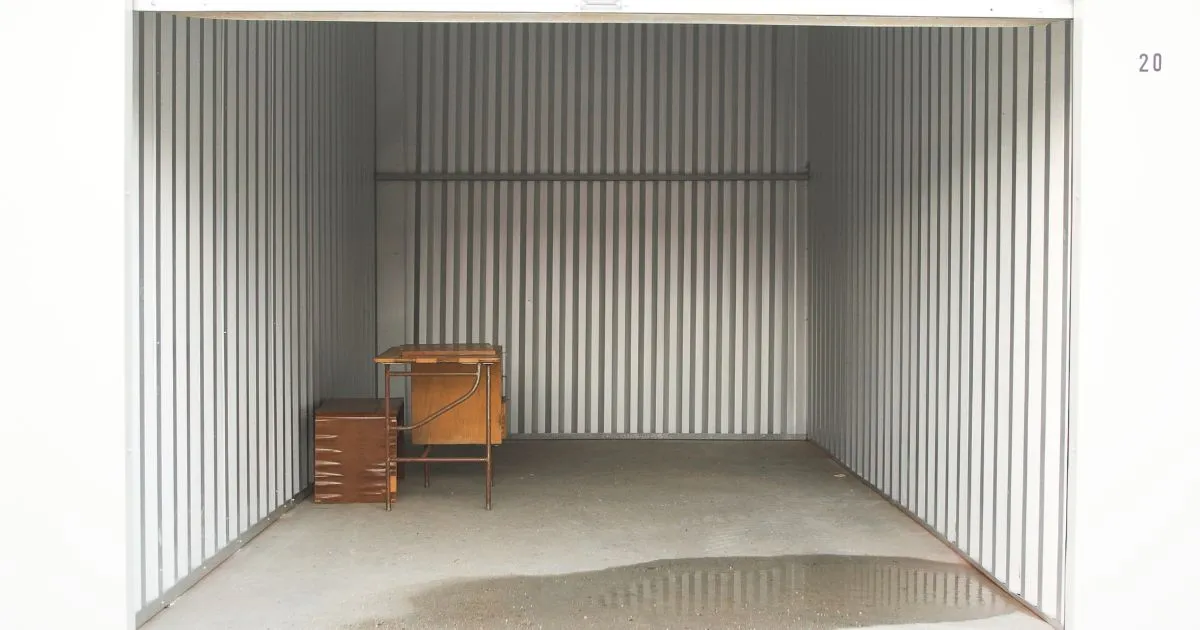
This is the top-shelf option for car protection. Think of it as a five-star hotel for your vehicle, offering a controlled environment that shields it from pretty much everything.
These places are purpose-built for maximum security and preservation. You should expect things like 24/7 CCTV monitoring, individually alarmed bays, and strict, gated access. It's the go-to for anyone with a high-value, classic, or sentimental vehicle that deserves the absolute best.
One of the biggest wins here is climate control. Brisbane's humidity can be a nightmare for a car's interior, wrecking leather and sensitive electronics over time. Climate-controlled units keep the temperature and humidity steady, stopping mould, mildew, and the slow decay of rubber seals and plastics.
For owners of luxury or classic cars, the extra cost of premium storage often pays for itself. Specialist providers like Autohouse Brisbane Vehicle Storage offer services that don't just maintain a vehicle’s condition but can actually boost its resale value. It can save owners 10% to 20% on long-term maintenance compared to more basic storage. You can learn more about what specialised vehicle storage involves at theautohouse.group.
Outdoor Storage Compounds
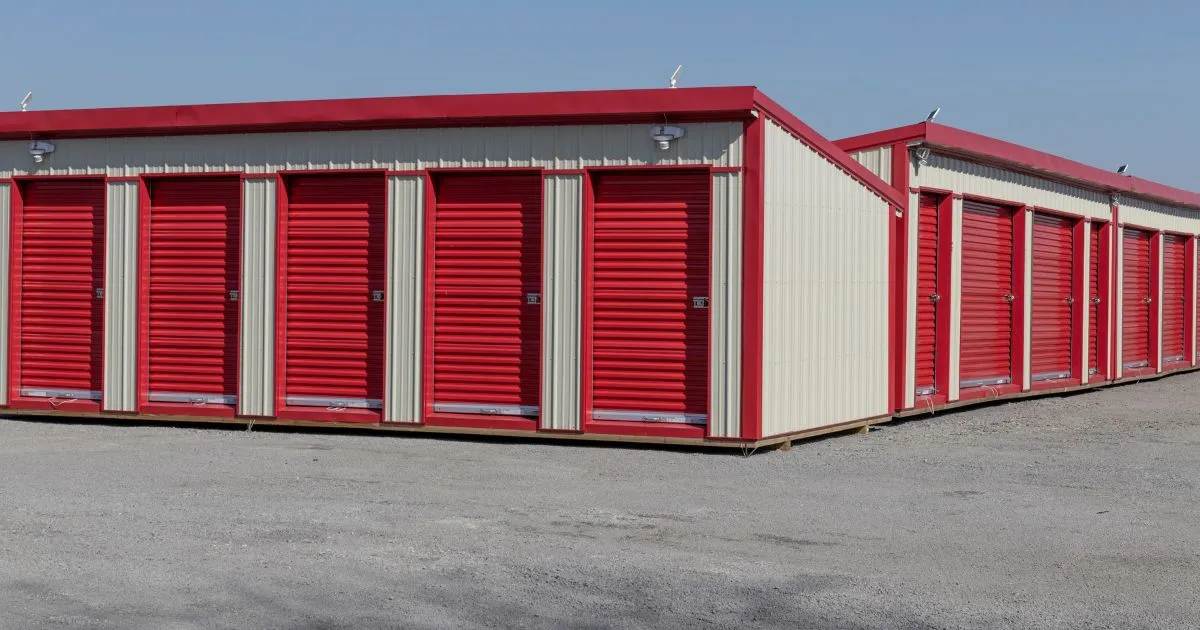
If you're after a more budget-friendly solution for a daily ute or a second car, a secure outdoor compound is a solid bet. While you don't get protection from the sun and rain, it’s a massive security step up from leaving your car on the street.
These compounds are typically fenced, gated, and have CCTV cameras running. Some even have staff on-site or do regular security patrols. It's a really practical choice for long-term car storage when you’re more worried about theft and vandalism than a bit of weather.
When you're checking out an outdoor space, be sure to ask a few questions:
- What’s the ground like? Is it paved, gravel, or just grass? A paved surface is always better for keeping your car clean and away from ground moisture.
- Is there any shade? It’s not a given, but some compounds might have spots with partial shade from trees or shade sails, which can help reduce sun damage.
- What about pests? Ask them what their pest management plan is, because outdoor lots can be magnets for rodents and insects.
For this kind of storage, a high-quality, weatherproof car cover is completely non-negotiable. It’s your main line of defence against Brisbane’s harsh sun, sudden downpours, and the inevitable bird droppings.
Private Garages and Driveways
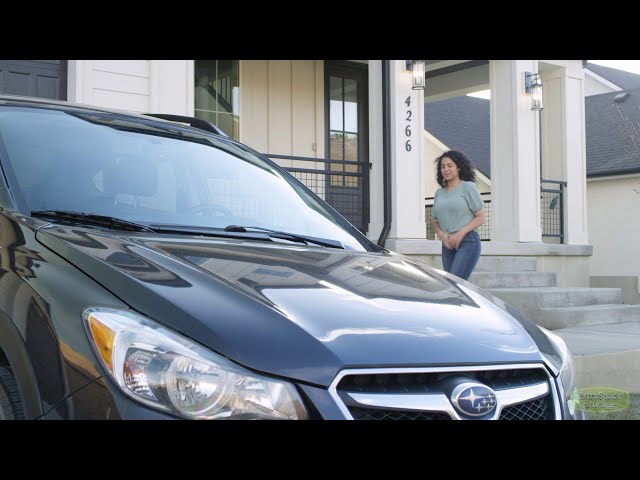
A great alternative that’s really taken off is renting a private garage, carport, or even a secure driveway from a local resident. Marketplaces like Parking Made Easy are brilliant for this—they connect car owners with homeowners who have spare space, creating a unique mix of security, convenience, and affordability.
This peer-to-peer approach often leads to a more personal and flexible deal. You might find a spot just around the corner from your place, making access super easy. Security can range from good to excellent, as many private garages are already locked, secure, and tucked away from the street.
Picture a FIFO worker living in New Farm. Instead of a commercial facility, they rent a neighbour’s garage for their ute while they’re away. It’s usually cheaper, just as secure, and far safer than leaving it on the street for weeks at a time. This option gives you the off-street security you need without the rigid contracts of a big facility.
Navigating Costs and Contracts in Brisbane
Let's get down to the brass tacks: what you can actually expect to pay for long-term car storage in Brisbane and what you’ll be signing. Understanding the costs and the contract is just as important as checking the security cameras. The price tag isn't just a random number; it reflects the location, security, and level of service you’re getting.
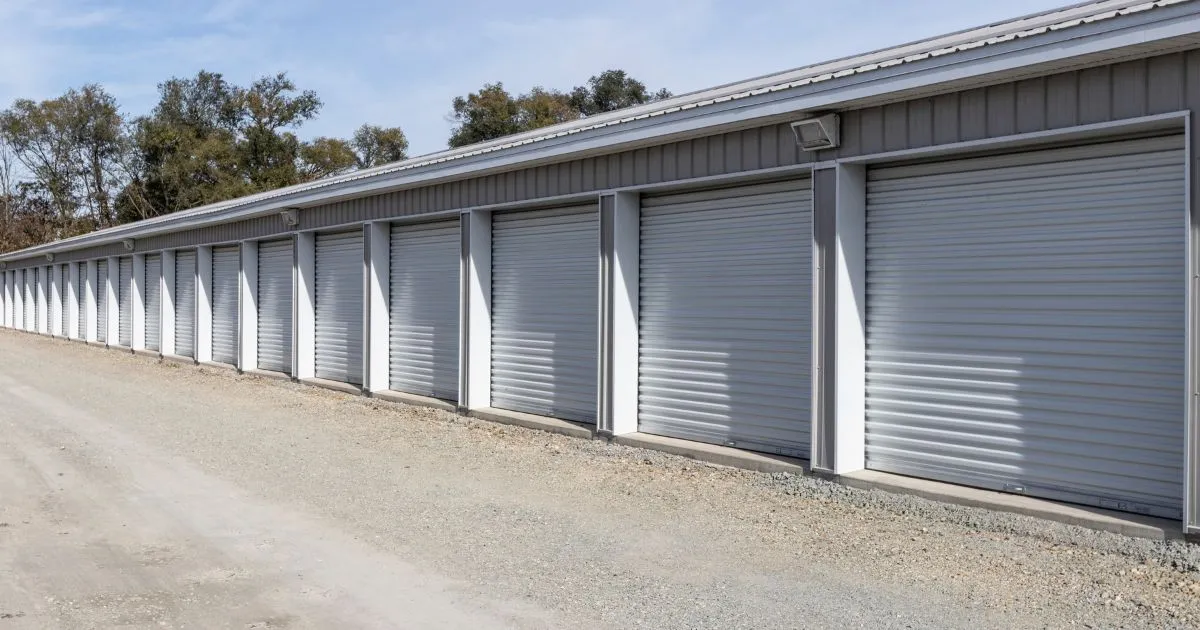
The cost spectrum in Brisbane is pretty broad. For a basic, secure outdoor space, you're generally looking at a monthly figure between $150 to $250. This is a great, budget-conscious choice for a robust daily driver or a second vehicle where protection from theft is the main game.
Moving indoors changes things. A standard, secure indoor bay will typically set you back $300 to $500+ per month. For this, you get complete protection from Brisbane's blistering sun and wild storms, which is a non-negotiable for any car you truly care about. Prices can climb even higher for premium, climate-controlled spots designed for classic or exotic cars.
What Drives the Price Up?
Several key factors directly influence the monthly cost of your storage spot. Being aware of them helps you understand if you're getting good value for your money.
- Location, Location, Location: Just like real estate, proximity to the CBD or airport commands a premium. A storage spot in an inner-city suburb like Newstead will almost always cost more than a similar one out in Archerfield.
- Security Level: The more layers of security, the higher the cost. Basic fencing and a single camera are standard, but facilities with 24/7 monitored alarms, on-site staff, and individual bay alarms will be at the pricier end of the scale.
- Extra Services: Some facilities offer add-ons that can be invaluable. These might include battery tendering, regular tyre pressure checks, or even starting the car periodically. They add to the bill, but these services can save you from costly maintenance headaches down the road.
The real value isn't always in the lowest price. Paying a bit more for a spot with better security or a more flexible contract often provides greater peace of mind, which is the ultimate goal here.
Decoding the Storage Agreement
Once you’ve found a spot that fits your budget, the next hurdle is the contract. Don’t just skim it; this document governs your entire storage experience, so it’s crucial to understand what you’re agreeing to before you sign.
You'll usually run into two types of arrangements: a month-to-month agreement or a fixed-term lease. Month-to-month offers fantastic flexibility, perfect if your plans are a bit up in the air. A fixed-term lease, say for six or twelve months, might lock you in, but it often comes with a discounted monthly rate. Many providers offer a 10-15% discount for longer commitments, so always ask if you know you’ll be storing your car for a while.
Key Clauses to Watch For
When you're reading through the contract, keep a sharp eye out for a few specific clauses. These are the ones that most often cause confusion or frustration later on.
Access Hours and Rules
This clause dictates when and how you can get to your vehicle. Some high-security facilities require 24-48 hours' notice for access, which is fine for deep storage but totally impractical if you need your car occasionally. In contrast, a private garage rented through a marketplace like Parking Made Easy often gives you much more flexible, direct access.
Notice Period for Termination
How much warning do you need to give before you move out? A typical notice period is 14 or 30 days. Knowing this little detail prevents you from accidentally paying for an extra month you don’t need.
Late Fees and Penalties
Life happens, and a payment might be late. Make sure you understand the grace period and the exact fees that apply. Some contracts have surprisingly steep penalties that can quickly spiral.
By taking the time to properly understand both the costs and the contract, you're setting yourself up for a stress-free storage experience. It means no nasty financial surprises and ensures the whole arrangement actually works for you.
Getting Your Car Ready for Long Term Storage
You’ve found the perfect spot for long-term car storage in Brisbane—great! But the job isn't quite done. Just parking your car, locking it, and walking away is a recipe for some unpleasant surprises down the track. Think dead batteries, mouldy interiors, or even pest infestations.
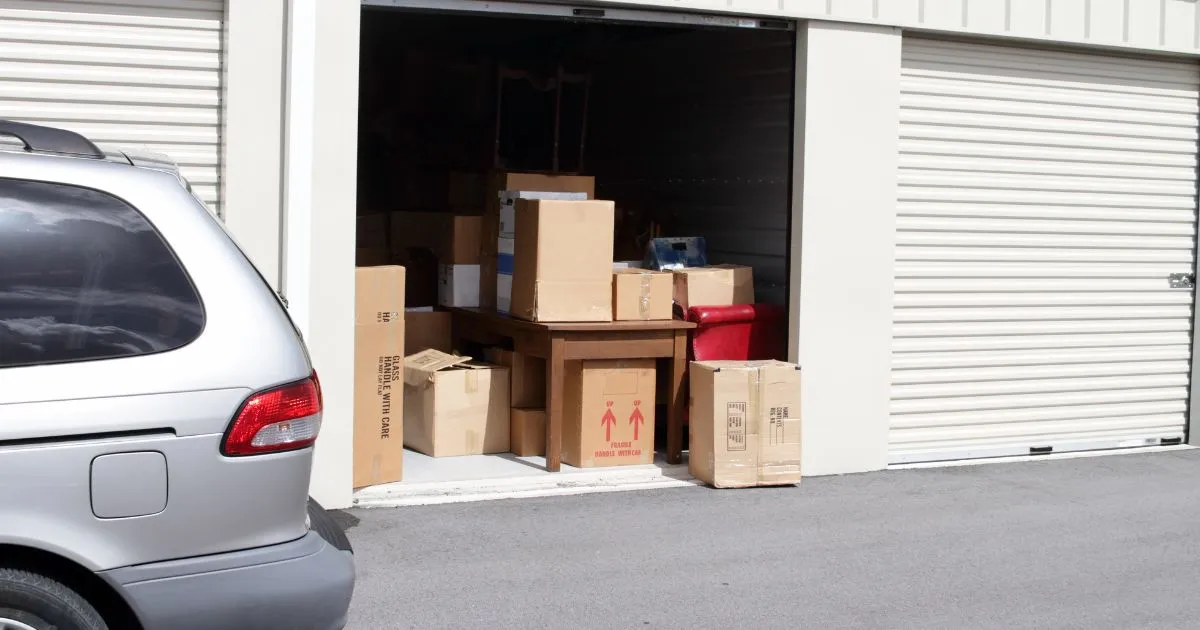
A little bit of prep work now will save you a world of pain later. We’re not talking about a full mechanical overhaul here, just a few simple, practical steps to protect your car from the kind of damage that comes from just sitting still. Trust me, an hour or two spent now will save you a lot of time, money, and headaches when you return.
The Foundation: A Thorough Clean
First things first, give your car a deep clean, inside and out. This might feel like it's just for looks, but it’s one of the most important things you can do. Bird droppings, tree sap, and general road grime can slowly etch into your paintwork if left for months. A good wash followed by a coat of wax will give it an extra shield against the elements.
The inside is even more important. Any forgotten food crumbs, old wrappers, or that half-finished coffee cup are basically a welcome mat for pests and mould. Brisbane's humidity is especially notorious for encouraging mould growth, so get the vacuum into every nook and cranny, wipe down all the surfaces, and remove everything that isn’t bolted down.
If you happen to be storing your car in your own garage, it pays to get that space organised, too. Considering some ultimate garage storage solutions can help keep the area tidy and pest-free, creating a much better environment for your vehicle.
Fluids and Fuel: A Balancing Act
Next up, let's look at what's under the bonnet. Getting your car's fluids sorted is key to its mechanical health. I always recommend an oil change before storage, particularly if it's been a while. Old, used oil is full of contaminants that can start to cause damage to engine parts over time.
When it comes to the fuel tank, you've really got two options:
- Fill it Up: This is the go-to method for most modern cars being stored for up to a year. A full tank leaves less room for air, which stops moisture from building up and causing rust. For best results, add a good quality fuel stabiliser to stop the petrol from going stale.
- Run it Low: For really long-term storage (think over a year), or for some classic cars, some mechanics suggest running the tank almost empty. The idea is to prevent old, gummy fuel from clogging up the system. This is less common and something you should probably chat with your mechanic about first.
For most people looking for long-term car storage in Brisbane, a full tank with a stabiliser is the safest and easiest way to go.
Pro Tip: Whatever you do, don't leave the handbrake on. Over time, especially in humid climates, the brake pads can actually fuse to the rotors. It's a nightmare to fix. Use wheel chocks to keep the car from moving and leave it in Park (for autos) or in gear (for manuals).
Battery Care and Tyre Pressure
A dead battery and flat-spotted tyres are probably the two most common problems for cars coming out of storage. The good news is they are both super easy to prevent.
Your car’s battery will slowly lose its charge over time as all the onboard computers draw a tiny bit of power. The best way to stop this is with a battery tender (or trickle charger). It feeds a slow, steady stream of power to the battery, keeping it topped up without overcharging it. If you can't use a tender, the next best thing is to just disconnect the negative battery terminal. Just be aware this will reset your radio stations and trip computer.
To avoid getting flat spots on your tyres, pump them up to the maximum recommended pressure you see written on the tyre sidewall. This helps the tyre hold its round shape while it's sitting still under the car's weight.
Special Considerations for Electric Vehicles (EVs)
If you're storing an EV, the game plan is a bit different. The main goal is to look after that big, expensive high-voltage battery. Unlike a petrol car, you should never leave an EV plugged in for months on end, and you shouldn't store it completely full or empty either.
- State of Charge: Most EV manufacturers will tell you to store the vehicle with the battery somewhere between 40% and 60%. This is the sweet spot that puts the least amount of stress on the battery cells.
- Check the Manual: Your car's manual is your best friend here. It will have specific instructions for long-term storage, sometimes called "transport mode." Follow these to the letter.
- Climate Matters: EV batteries hate extreme heat. If you're storing an EV in Brisbane, choosing a cool, indoor spot is really important to protect the battery's health and longevity.
By taking the time to run through these steps, you're giving your car the best possible chance of starting right up and driving perfectly the moment you need it again.
Sorting Out Insurance and Security Checks
Before you can lock up your car and walk away, there are a couple of crucial admin tasks you simply can't afford to skip. Getting your insurance sorted and physically checking the security of the storage facility are non-negotiables. They're the difference between hoping your car is safe and knowing it's properly protected.

The very first phone call you should make is to your car insurer. Never assume your standard comprehensive policy has you covered for long-term storage; most policies are priced on the basis that you're driving the car regularly.
You need to be upfront about the situation: explain that your vehicle will be parked securely off-road for an extended period. Many insurers offer a specific "laid up" or "storage" cover, which can actually bring your premium down quite a bit since the risk of on-road accidents is gone. This type of policy usually covers theft, fire, and accidental damage while stationary—exactly what you need for long term car storage brisbane.
Understanding Queensland Legal Requirements
Here in Queensland, you can’t just let your registration and Compulsory Third Party (CTP) insurance lapse because the car is in storage. The law is clear: your vehicle must stay registered as long as you have CTP insurance.
Keeping your CTP current is critical. It’s what protects you from liability if your car is somehow involved in an incident that injures someone, like a fire at the facility that spreads. Letting it expire can land you with hefty fines and create a real headache when you’re ready to get back on the road.
The smartest move is to chat with both your insurer and the Queensland Department of Transport and Main Roads. You can often land a reduced premium with a storage policy while keeping your CTP active, which means you’re legally compliant and financially protected without paying for cover you don’t need.
Your On-Site Security Inspection Checklist
Seeing security features listed online is one thing, but verifying them with your own eyes is another. A physical site visit is the only real way to know if a facility’s claims stack up. This is where professional storage spots really shine. Top-tier facilities like Image Auto Vault offer layers of security—think CCTV, alarms, and secure gates—which can slash the risk of unauthorised entry by up to 90%. In a city with fluctuating car theft rates, that kind of peace of mind is priceless.
When you visit, don’t just have a quick glance around. It’s time to put your detective hat on and properly vet the place. Here's what you should be looking for:
- CCTV Coverage: Don't just spot the cameras; look for the blind spots. Are there any corners or entry points that aren't properly covered? Ask if you can see the monitor or a feed to check the image quality. Grainy, low-res footage isn't much help to anyone.
- Access Control: How do people get in and out? Is it a single keypad code that everyone uses, or do they use individual PINs, swipe cards, or even biometrics? If you can, test the gate yourself to see how sturdy it feels.
- Lighting and Fencing: Take a walk around the perimeter. Is the fencing high and in good condition? More importantly, is the entire compound well-lit? Dark corners are an invitation for trouble.
- Staff Presence and Protocols: Be direct with your questions. Is there staff on-site 24/7, or just during business hours? What’s the procedure if an alarm goes off? A solid response plan is just as important as the alarm itself.
Your Brisbane Car Storage Questions Answered
Even after covering all the bases, a few specific questions always seem to pop up when people are locking in long-term car storage in Brisbane. I've pulled together the most common queries we get to give you quick, direct answers.

Think of this as your final check-in before you make a decision, clearing up any lingering doubts so you can store your vehicle with complete confidence.
How Much Does Long-Term Car Storage Cost in Brisbane?
The price you'll pay for long-term car storage in Brisbane varies quite a bit depending on exactly what you need.
A secure, fenced outdoor space is your most budget-friendly option, typically costing between $180 and $280 per month. This is a solid choice if your main goal is simply to keep the car off the street and away from potential theft or vandalism.
For those wanting total protection from the elements, an indoor spot is the way to go. You can expect to pay anywhere from $350 to over $600 monthly for a premium, climate-controlled indoor unit. These facilities are ideal for classic cars, luxury vehicles, or any car you want to keep in pristine condition, shielding it from Brisbane's relentless sun and humidity.
Of course, location plays a big role here, too. Storage closer to the CBD or Brisbane Airport will naturally command a higher price than a spot in the outer suburbs.
Can I Access My Car While It Is in Storage?
This is a big one. Access policies differ hugely between providers, so never assume you can just show up whenever you like.
Many private garages and carports you'll find on marketplaces like Parking Made Easy offer fantastic flexibility, with some hosts providing 24/7 access. This is perfect if you think you might need to grab your car on short notice or at an odd hour.
On the other hand, high-security commercial facilities often have much stricter rules. It’s common for them to require you to schedule an appointment, sometimes with 24 to 48 hours' notice. This is all for security reasons, but it can be a real pain if your plans change suddenly.
Always clarify the exact access rules before you sign anything. Ask about specific hours, notice periods, and if there are any "blackout" days. This single detail can be the difference between a convenient arrangement and a frustrating one.
Is My Car Safe from Pests in Storage?
Pests like rodents and insects are a genuine concern, especially for a vehicle that’s going to be sitting still for months. Any reputable indoor storage facility should have a robust pest control program in place. When you do a site visit, look for signs of cleanliness and ask them directly about their management plan.
For outdoor storage or even some private garages, the risk can be a little higher. This is another reason why a thorough interior clean before storage is so important—removing any food scraps is your first line of defence. As an extra deterrent, you can also place some rodent bait stations or mothballs inside and around the car.
Should I Keep My Car Registered and Insured?
Yes, absolutely. It's highly recommended you keep your vehicle both registered and insured, even when it’s not being driven. In Queensland, you must maintain Compulsory Third Party (CTP) insurance as a bare minimum. This is a legal requirement and protects you from liability if your car is involved in an incident that causes injury to someone else, like a fire spreading from your car in the storage unit.
While you might be able to pause the full registration, it's crucial to talk to your insurance provider first. Many offer a reduced "laid-up" or "storage" insurance policy. This covers things like theft, fire, and damage while stationary and can save you a significant amount of money on your premium.
Is a Car Cover Necessary for Long-Term Storage?
A good car cover is one of the best small investments you can make for your vehicle's protection. It really does make a difference.
For indoor storage, a high-quality, breathable fabric cover is perfect. It'll protect your car from dust, minor scuffs, and, most importantly, moisture build-up. It's critical to avoid non-breathable plastic tarps. In Brisbane's humid climate, they can trap moisture against the paintwork, which is a recipe for mould, mildew, and potential paint damage.
If you've opted for outdoor long-term storage, a durable, weatherproof, and UV-resistant cover is absolutely essential. It will be your car's primary shield against sun damage, rain, hail, and bird droppings, preserving its condition until you return.
**Written by Daniel Battaglia:** As the author of Parking Made Easy: Making Life Easier is dedicated to making parking easier and more affordable at Parking Made Easy with Generative AI. With a background in business focusing on process improvement and parking solutions, Daniel has dedicated his career to helping drivers find parking. He understands the frustrations of parking and is committed to providing practical solutions. If you have any questions about renting a car parking space, feel free to contact Daniel at daniel@parkingmadeeasy.com.au.